

I was discussing the recent events in AI with a friend at a Chinese lab today, and he responded to my complaints about the frenetic nature of the moment with: 山中方七日,世上已千年.
Only seven days have passed in the mountains, while a thousand years have gone by in the human world.
Like many things from China, I could spill gallons of ink unpacking these 10 characters, but we all have a lot of twitter to read in the next few days so I’ll keep it as brief as possible.
This saying refers to the story of Wang Zhi, a woodcutter who comes across two immortals playing Go in the mountains. He stops to watch them play, laying down his heavy axe to enjoy the spectacle of the game played well. When at last he moves to leave, he discovers the handle of the axe has rotted away, and when he descends from the mountains the people of his village are gone, as ages of time have passed since he left.
This is our world today; we humans pass our days, and a select few now get to experience what it is to watch immortals play games of Go in the mountains. Some of us remember that even as children, these Gods beat us with moves that baffled and bewildered, but the Gods have grown up. They play each other, AI researchers watch.
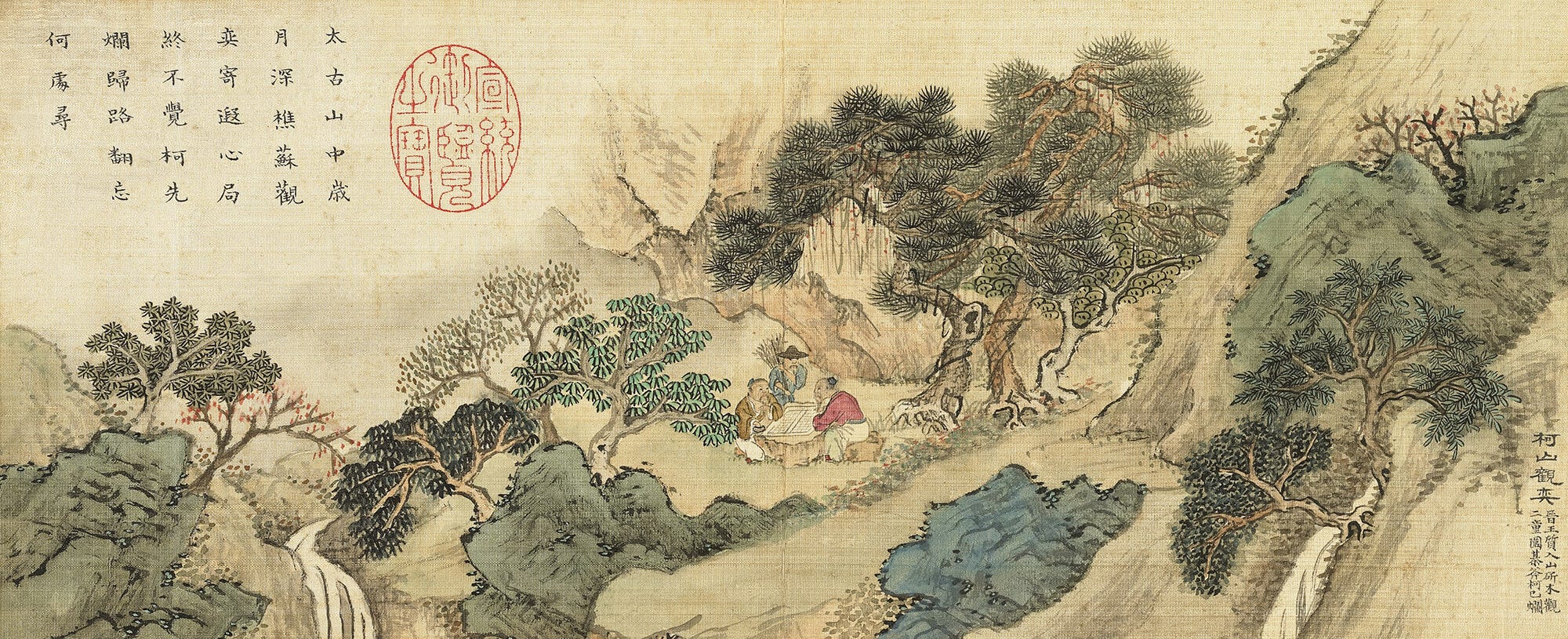
When we return to the village, we understand that we’ve been living out of time; the Gods experience the flow of days so differently from us, and if you never go into the mountains, you’d never know.
Jacob Coxon announced his resignation from Anthropic yesterday; the tweet has been seen 127 million times as I write this. That is what coming down from the mountain early looks like; you rave like a madman, for you’ve seen the immortals play, but you didn’t stay long enough to know their game.
Some of us are staying up here, wondering which god will win, and which god will lose. We should all be careful to not let our axes rot away.