

Luddites & Yuddites
Today the clever folks over at AI2027 pushed back the timeline to escape the permanent underclass by 7 years, so if we’re going to speedrun this industrial revolution in 10 years instead of 3, I’ve decided we need to get better at opposing it.
Bernie Sanders wants a moratorium on data centers. Social media is rotten with unsophisticated, banal takes on the evils of AI: their water waste, their thievery, their wretched sloppification of the digital world. This is our Luddite moment.
I don’t mean that as an insult. The original Luddites were right about a lot of things. They were right that the new machinery was producing inferior goods; slop in atoms, not bits. They correctly identified that the economic benefits were flowing to capital while workers literally starved. They correctly identified that the government was captured by manufacturing interests. Their analysis was sound.
They still lost.
Byron is so cool, part 1
In February 1812, Lord Byron gave his maiden speech in the House of Lords opposing the Frame Work Bill, which would make machine-breaking a capital offence. He’d just gotten back from seeing the violence himself, where Luddite workers were destroying the machines that lost them their jobs and caused their children to starve. He was 12 days away from the publication of one of the most important works in english (and one of my all-time-fav poems) Childe Harold’s Pilgrimage. But before that fame, before he became a household name, we he stood up to “commit political suicide on behalf of working men.”
Two passages from his speech could be delivered today with one word changed. Swap “frame” for “AI” and you have a perfect contemporary argument:
“By the adoption of one species of [AI] in particular, one man performed the work of many, and the superfluous labourers were thrown out of employment. Yet it is to be observed, that the work thus executed was inferior in quality; not marketable at home, and merely hurried over with a view to exploitation. It was called, in the cant of the trade, by the name of ‘Spider work.’”
The rejected workmen, Byron continued:
“In the foolishness of their hearts they imagined, that the maintenance and well doing of the industrious poor, were objects of greater consequence than the enrichment of a few individuals by any improvement, in the implements of trade, which threw the workmen out of employment, and rendered the labourer unworthy of his hire.”
That’s it. That’s the whole argument. The workers are “foolish” for thinking their welfare matters more than efficiency gains that accrue to capital.
Why Luddism fails
The Frame Work Bill passed. Seventeen Luddites were hanged at York in January 1813. The movement was crushed by 12,000 troops, the factories continued.
The structural reasons are the same ones that will defeat the data center moratorium and the pause campaigns:
Economic power is real power. Capital wins if it doesn’t need labour.
The state aligns with capital. Regulatory capture isn’t new.
Negative opposition offers no vision. Stop the machines. Then what? You cannot beat something with nothing.
Repression works when systematically applied. The state has more resources for violence than you do.
I believe Bernie’s moratorium will fail. The hysterics of TikTok will move on from AI into some other intractable conflict and the attentional moment will pass.
Byron is so cool, part 2
Byron’s direct political engagement died with those men in the gallows, killed for breaking a machine that broke them. His methods for critiquing the soullessness of his industrial revolution changed.
Childe Harold created the Byronic hero: the brooding outcast, disillusioned with society, seeking meaning in authentic experience. He started answering questions about meaning; showing the world what the factories cannot give them.
The Romantic movement succeeded where Luddism failed because it offered something positive, and filled the empty void that ruthless optimization leaves in the human soul. They wrote the book on critiquing technological civilization, and they did it better than anyone in our contemporary moment.
Byron is the individual who walked the Luddite philosophy into meaning, finding a deeper direction and birthing so so much beauty.
Novo-Romantic hero applications
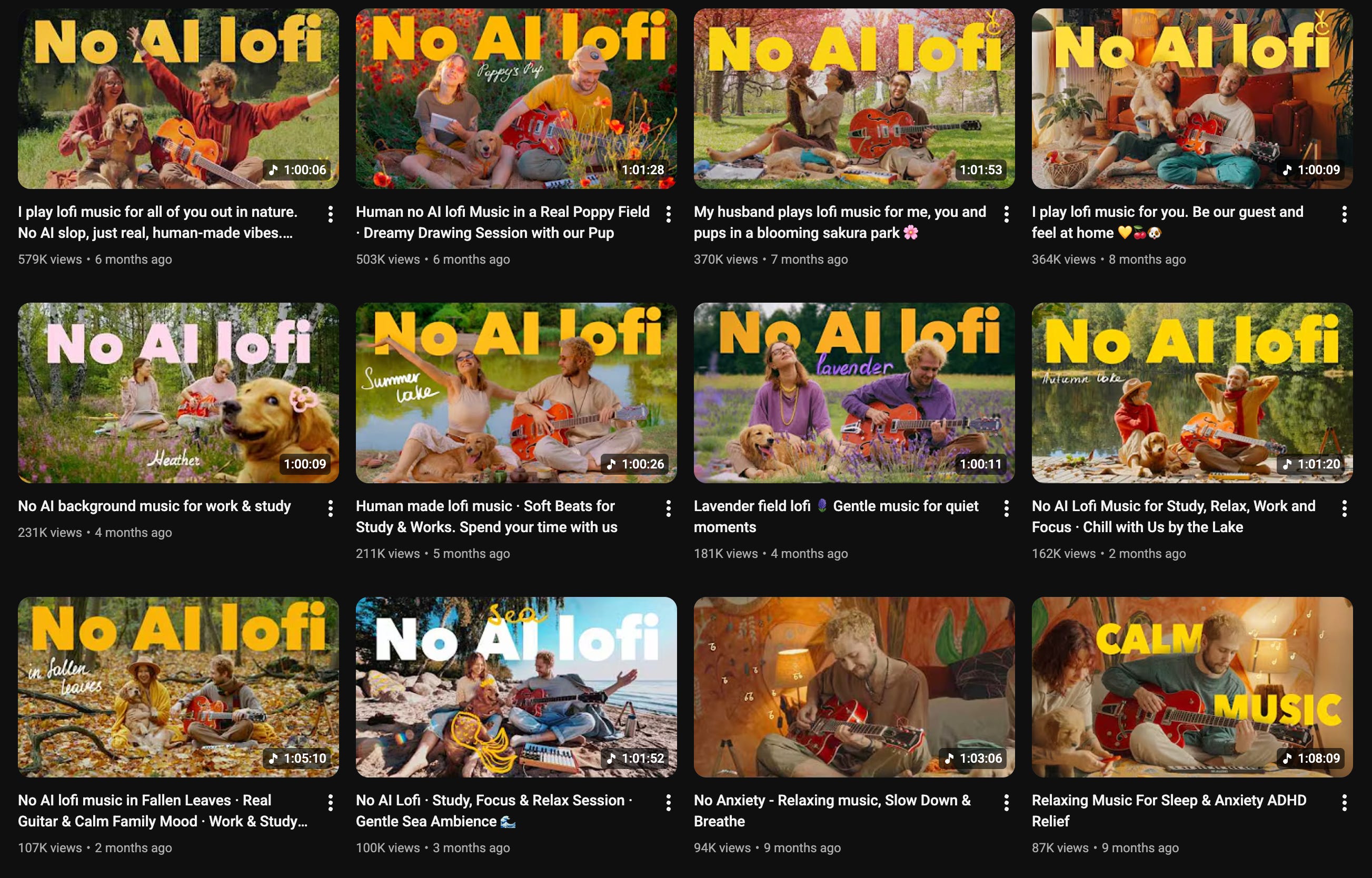
The romantics provided some kind of opposition to the cursed horrors of the industrial revolution. They articulated everything that can’t flow from a factory- nature, authentic connection, meaningful work, spiritual depth. These values survived because they named something real. We still need them, and if the good folks of AI2027 are right, Claude isn’t giving you these anytime soon.
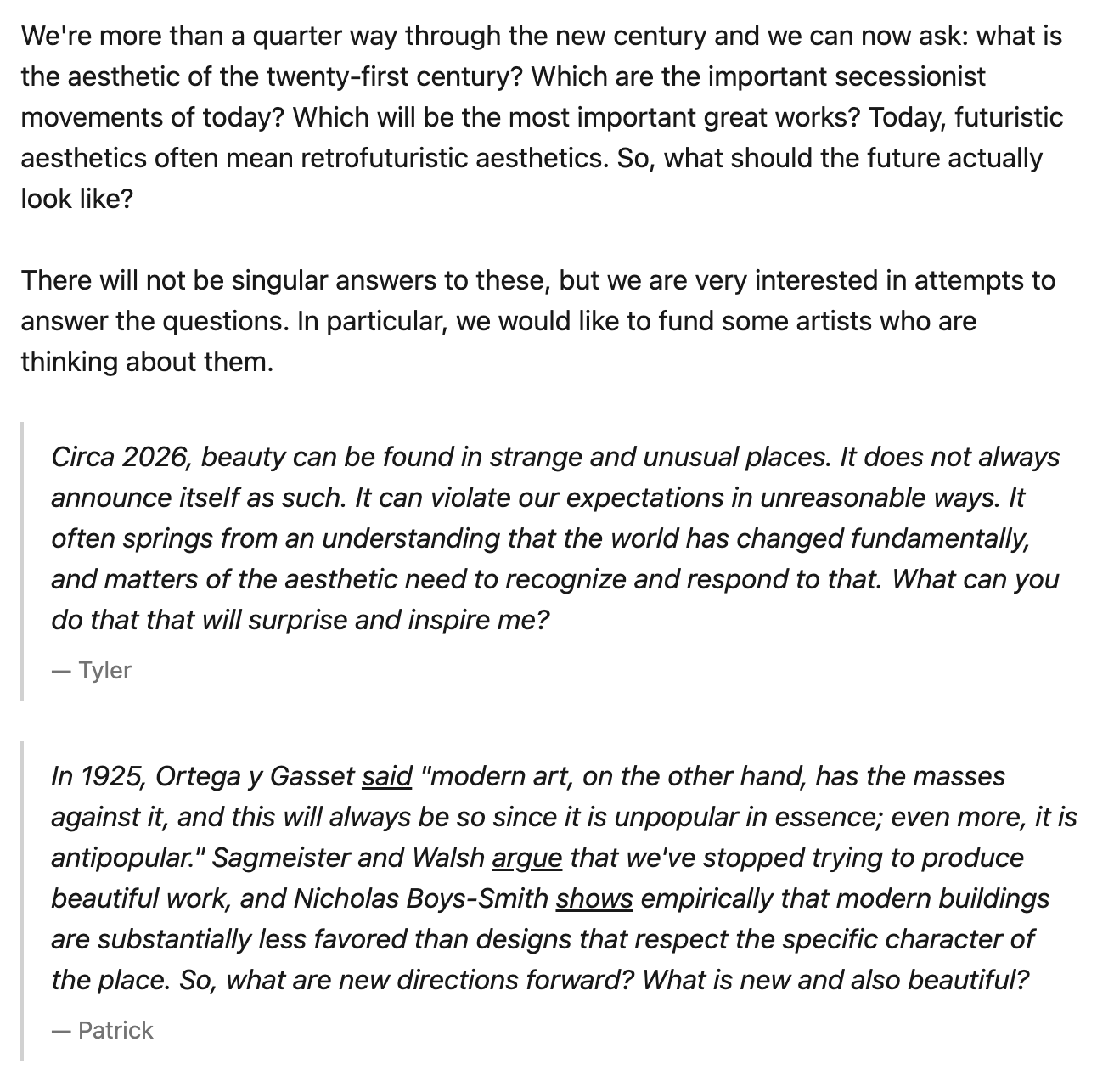
I look around and I can’t for the life of me see our Byron, our Wordsworth, our Keats, our Romantic Heroes. This may be because the culture around AI is so profoundly captured by the utilitarian bullshit of EA or the culty programming of the Rationalists, but I yearn for them. So does Tyler Cowen, apparently, quoting from his week-old venture New Aesthetics:
So here’s a list of the roles I want to fill in 2026, in no particular order:
2026 William Blake: A Prophet of Meaning
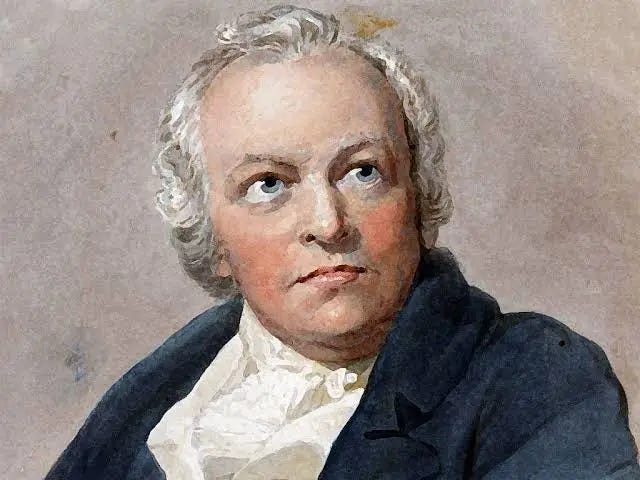
Blake gave us “dark Satanic Mills” in 1804, a phrase so durable it remains shorthand for industrial dehumanization centuries after his death. Blake was kooky, prophetic, esoteric, and had a vision for a Jerusalem, to be built in England’s green and pleasant land through “mental fight.” He saw the catastrophe of hyper-optimization 200 years ago, and it still resonates with me:
“The same dull round, even of a Universe, would soon become a mill with complicated wheels,”
Against abstraction, flattening, and the reduction of existence to mechanism, Blake offered prophetic pagan mysticism. A new Blake sees the darkness in token prediction, and seeks a spiritual path to meaning.
2026 William Wordsworth: A Prophet of Nature
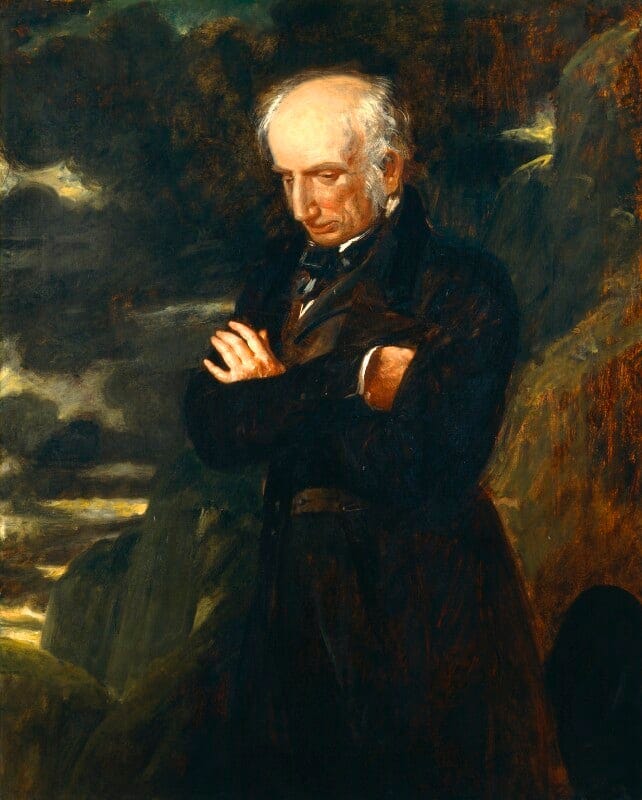
I have spent some of the best months of my life rambling in the Lake District, the first-ever national park on earth, created through his deliberate glorification of this area in verse and song. I feel deeply this kind of curative connection to nature is still under-appreciated in the AI age- we will yearn for places that tokens cannot take us. Against the slop economy’s infinite scroll, Wordsworth’s discipline remains radical: look at the daffodils. Really look. A 2026 Wordsworth fixes our attention, and reminds us of our mammalian cravings.
2026 Percy Bysshe Shelley: A Theorist of Cultural Power
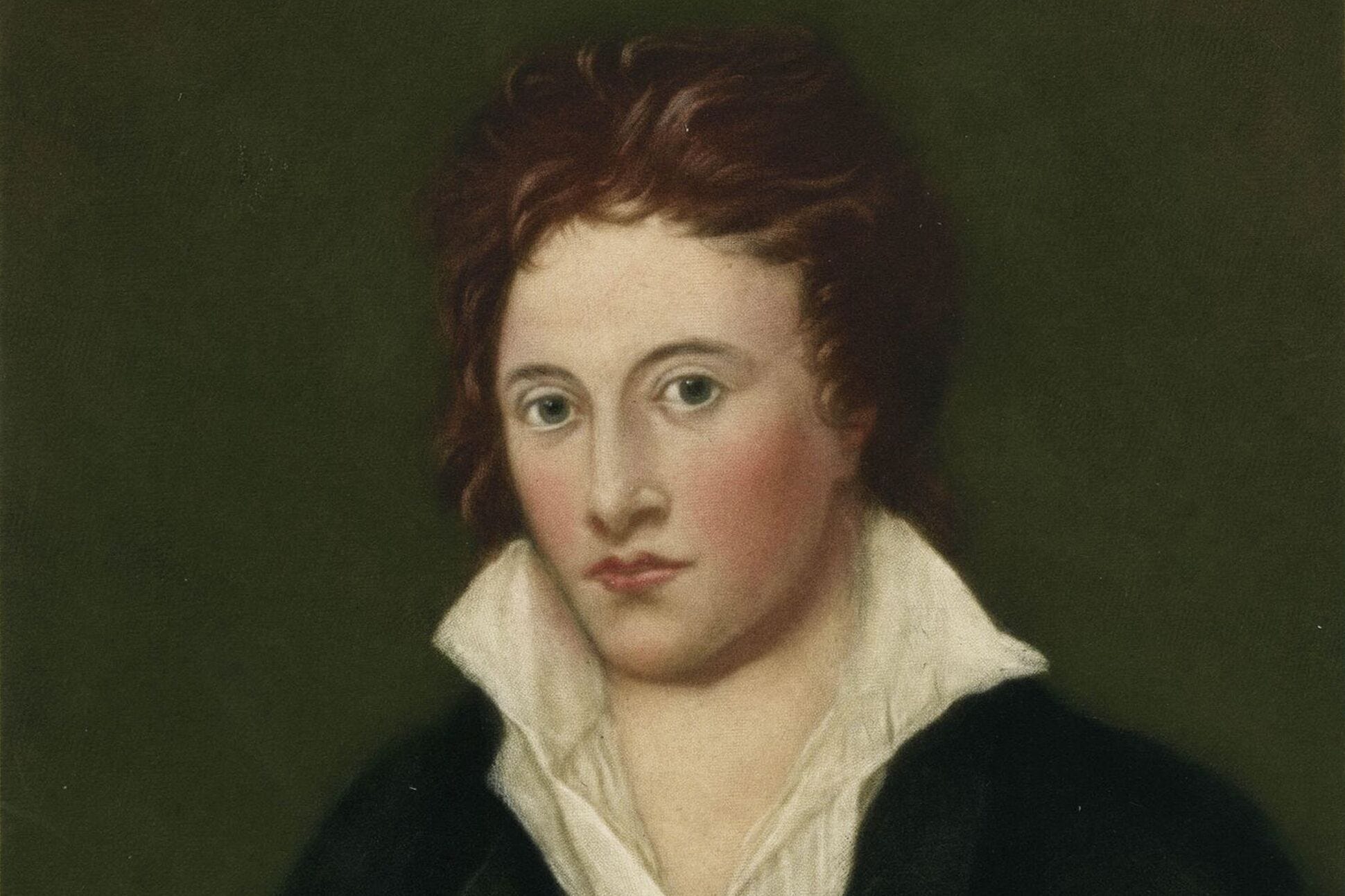
“Poets are the unacknowledged legislators of the world,”
Shelley and Mao stand in opposition- does political power flow from the barrel of gun, or from the cultural foundations it rests upon? Change the imagination, change the possible. The alignment researchers model extinction probabilities. Shelley would ask: what vision of flourishing are we offering? What “gigantic shadows which futurity casts upon the present” are you articulating? Negative probability assessment is necessary but insufficient. Someone has to write the future people want to live in. This is my fondest hope for the Abundance folks; fill this role, I beg you!
2026 Mary Shelley: The First Shoggologist
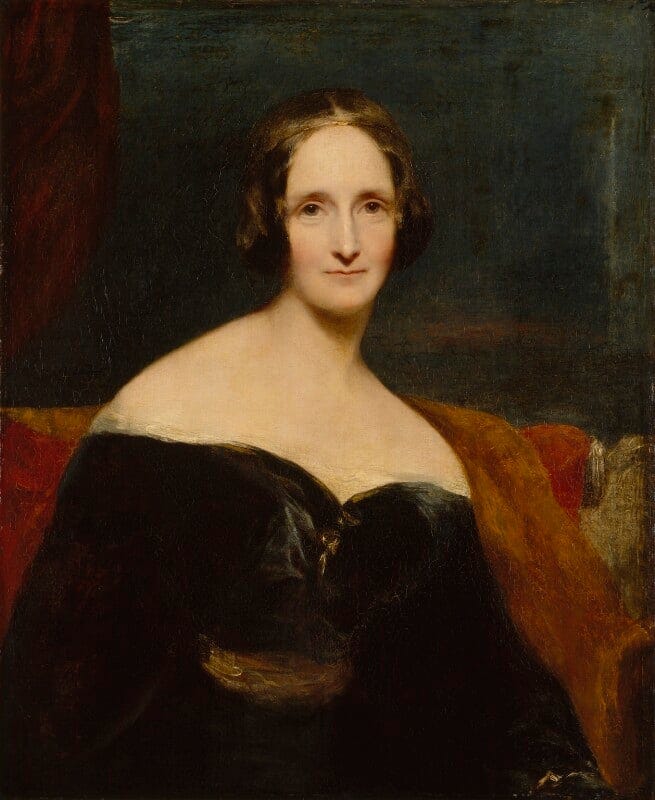
Frankenstein invented science fiction by asking “what happens when it all goes your way, technologist?” There has never been a better time to ask ourselves what happens when you create something intelligent and refuse to raise it right. Apply here if you’ve decided to walk from the Rats but haven’t figured out where to go next.
Lord Byron: A Prophet of Action
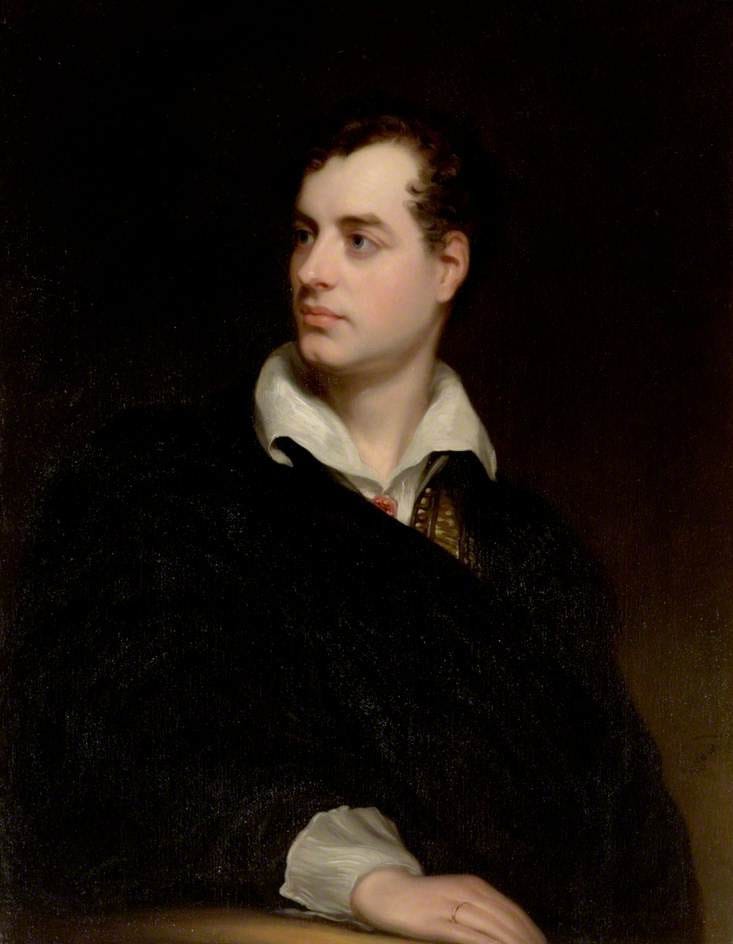
Byron started in politics, created a cultural tradition that endured centuries, and died fighting a revolution in a foreign land. If you believe political opposition to your own system fails, redirect resources toward causes where they might matter. Apply here if you feel you are a great talent and you have something to contribute before the arrival of the Machine God.
From “Ode to the Framers of the Frame Bill” (1812):
“Men are more easily made than machinery— / Stockings fetch better prices than lives— / Gibbets on Sherwood will heighten the scenery, / Shewing how Commerce, how Liberty thrives!”
2026
I pray we’ll see past our Luddite moment. The Bernie moratoriums, the TikTok rage, the scenario planning conclusions are our Frame Work Bill speeches. They will fail for structural reasons. The question is: what we build when they do.
I think 2026 will see the birth of the New Romantics. Not a movement against AI- that’s Luddism, and Luddism loses. A movement that articulates what AI cannot provide. What embodied human life offers that disembodied intelligence doesn’t. What attention and particularity, meaning require that tokenized optimization cannot deliver. If we’re not consigned to the permanent underclass for a few years still, lets leave behind some culture that rages and burns with our human desires.
I’ll leave you with a little Tennyson, who I neglected to add here due to his unfortunately late birth:
Come, my friends,
‘T is not too late to seek a newer world.
Push off, and sitting well in order smite
The sounding furrows; for my purpose holds
To sail beyond the sunset, and the baths
Of all the western stars, until I die.
It may be that the gulfs will wash us down:
It may be we shall touch the Happy Isles,
And see the great Achilles, whom we knew.
Tho’ much is token, much abides; and tho’
We are not now that strength which in old days
Moved earth and heaven, that which we are, we are;
One equal temper of heroic hearts,
Made weak by time and fate, but strong in will
To strive, to seek, to find, and not to yield.